2021-09-30 15:38:58
Kiew, die Hauptstadt der Ukraine, ist das wirtschaftliche, kulturelle und politische Zentrum. In der Nord-Zentral-Ukraine gelegen, hat es eine sehr vorteilhafte geografische Lage.Es war ein Knotenpunkt, der die Ostsee und das Schwarze Meer, die arabische Welt und Westeuropa und Nordeuropa verband.Seitdem ist es ein wichtiger Handelshafen und ein Handelszentrum Antike.
Kiew, die Hauptstadt der Ukraine, verfügt über eine entwickelte Wirtschaft und eine vollständige Infrastruktur wie Kultur und Bildung, legt aber gleichzeitig großen Wert auf medizinische Bedingungen und hat strenge Vorschriften und Aufsicht.
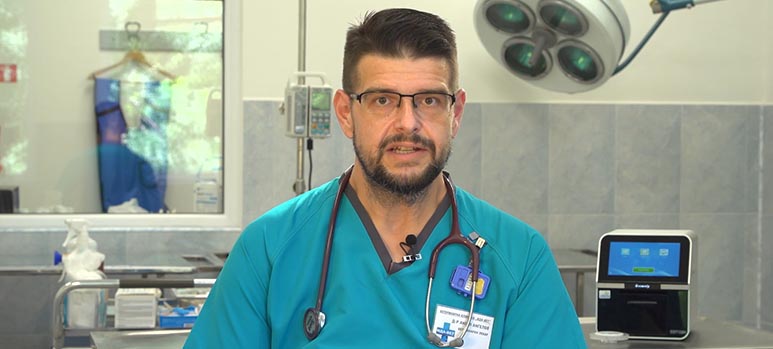
Das Fefania-Krankenhaus in Kiew ist das erste, das öffentlich zugänglich einen medizinischen Qualitätsbewertungsbericht bereitstellt und veröffentlicht. Laut Dr. CipeHKO Irop vom Feifania-Krankenhaus: In den letzten fünfzig Jahren hat sich das Feifania-Krankenhaus von einer geschlossenen Einrichtung aus der Sowjetzeit, die der politischen Elite diente, in eine moderne Klinik verwandelt.
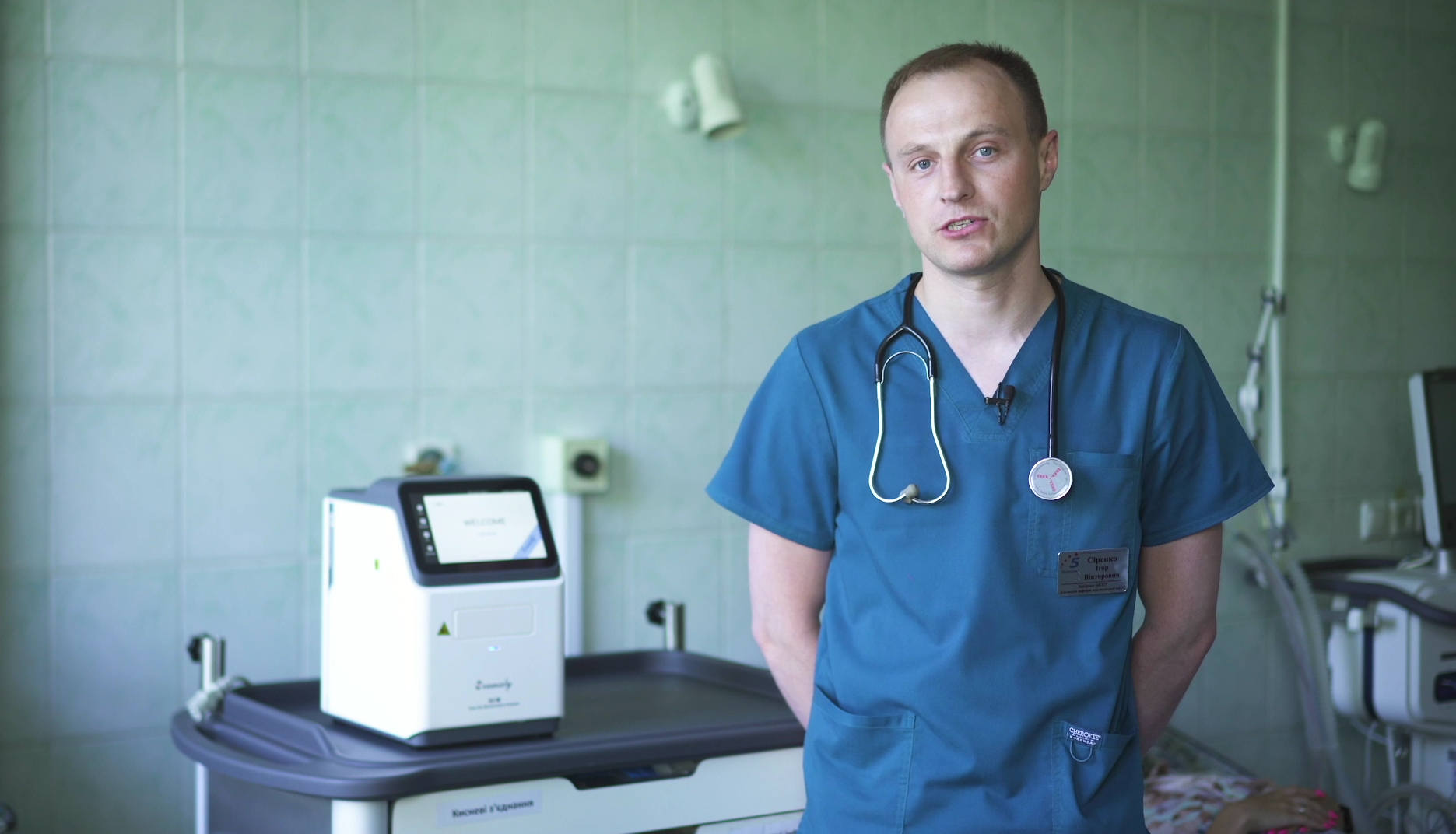
"Das Krankenhaus verfügt über ein spezielles Zentrum für medizinische Innovation und Qualitätskontrolle. Wir berechnen Indikatoren wie Mortalität und chirurgisches Infektionsrisiko; wir folgen evidenzbasierten Praktiken und robusten Prozessen, um die Unterstützung zu verbessern; wir überwachen quantitative Indikatoren in Echtzeit für eine erfolgreiche und umfassende Behandlung Diagnose von Patienten; wir legen Berichte zur Patientensicherheit vor, wie es die ukrainische Gesetzgebung vorschreibt.“
„Darüber hinaus verbessern wir unsere Arbeit bei der Bereitstellung medizinischer Dienstleistungen ständig, und die Erfüllung hoher internationaler Standards ist unser Hauptziel. Um die Effizienz der Diagnose von akuten, kritischen und kritisch kranken Patienten in Krankenhäusern zu verbessern und bestmöglich zu formulieren angemessen Wir haben den vollautomatischen Seamaty-Trockenbiochemie-Analysator SD1 eingeführt.“
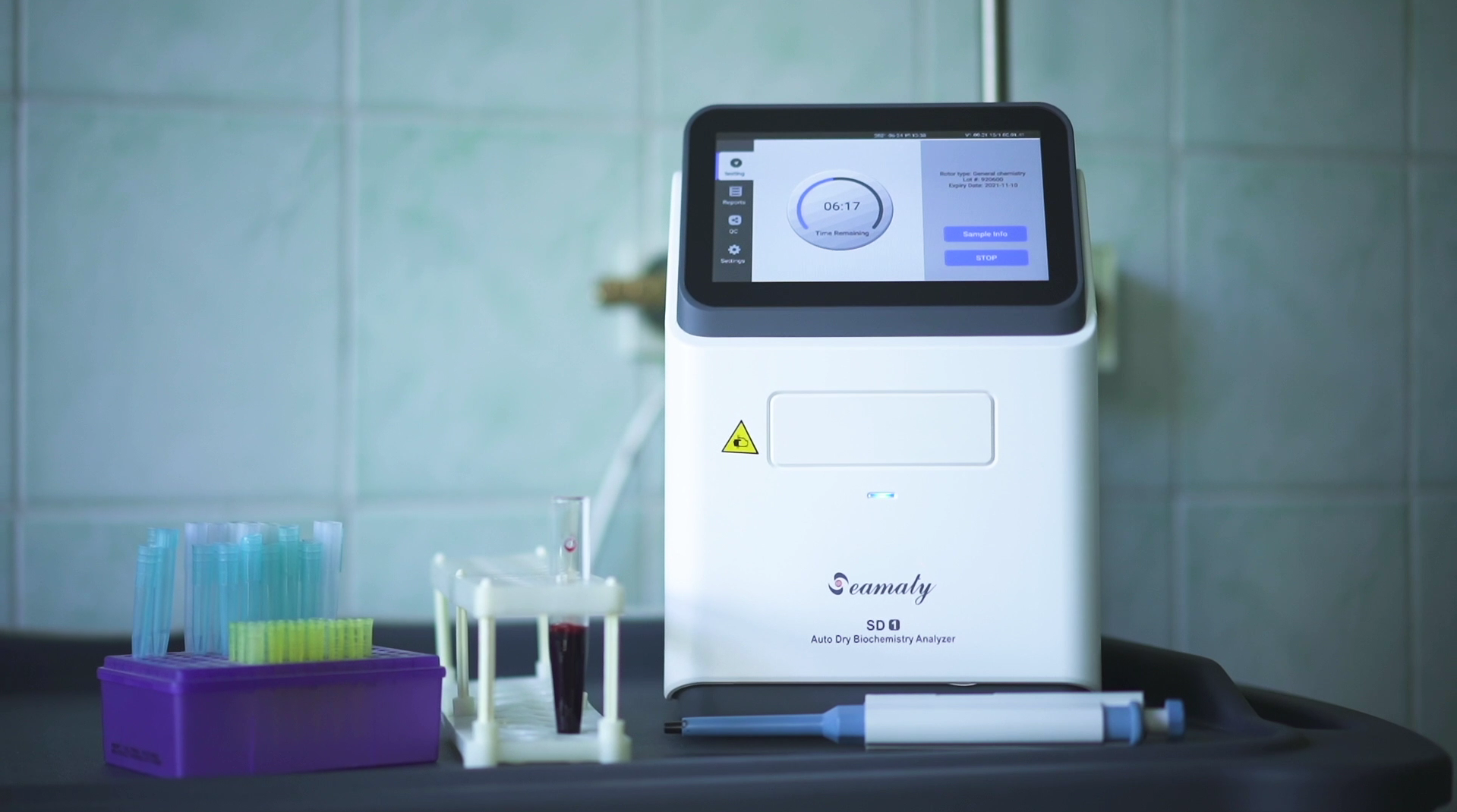
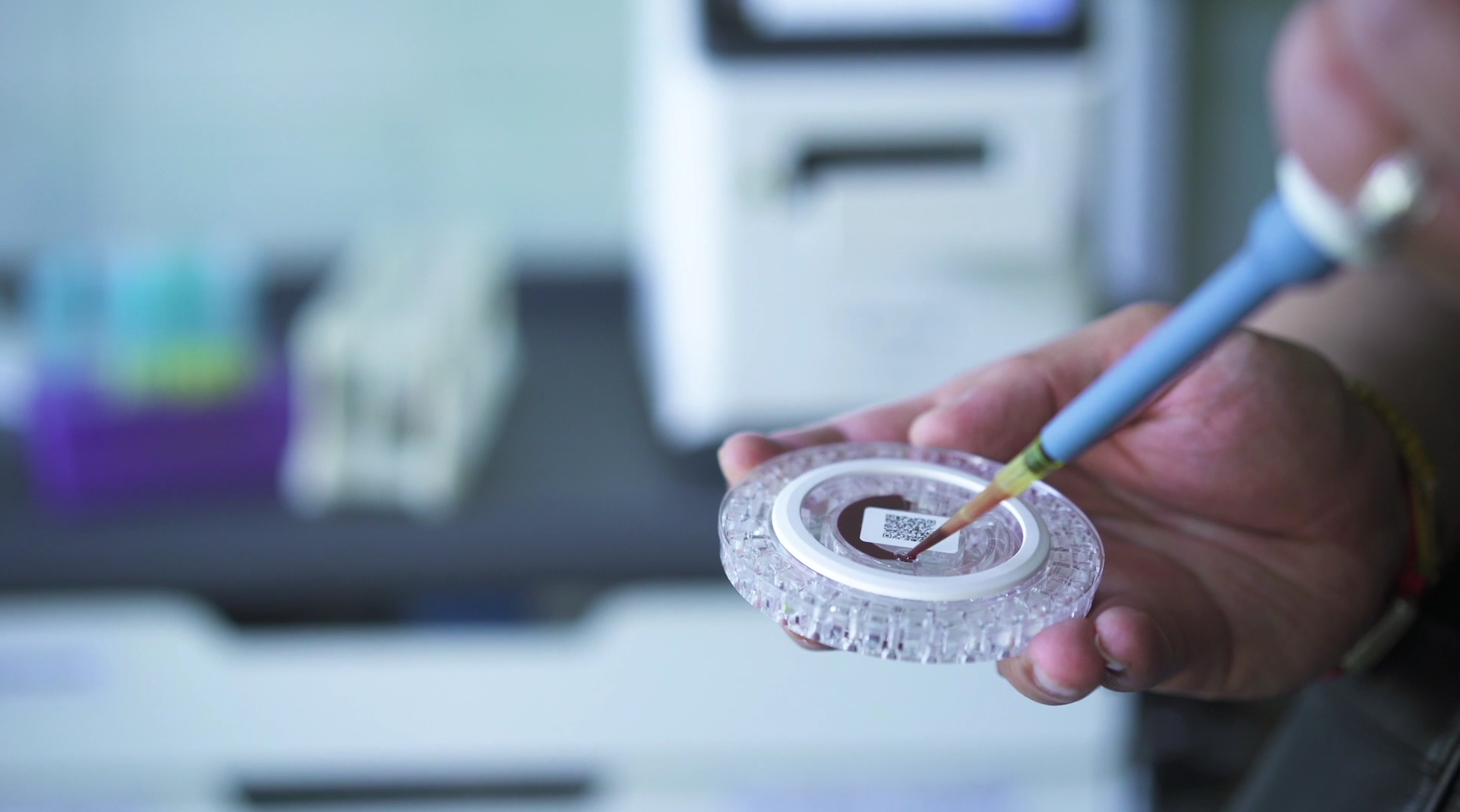
„Es ist klein, wiegt nur etwa 5 kg, nimmt keinen Platz ein und kann für die Diagnose am Krankenbett bewegt werden. Die Bedienung ist auch sehr einfach. Sie erfordert nur drei Schritte und erfordert keine spezielle Schulung Laienlaborärzte."
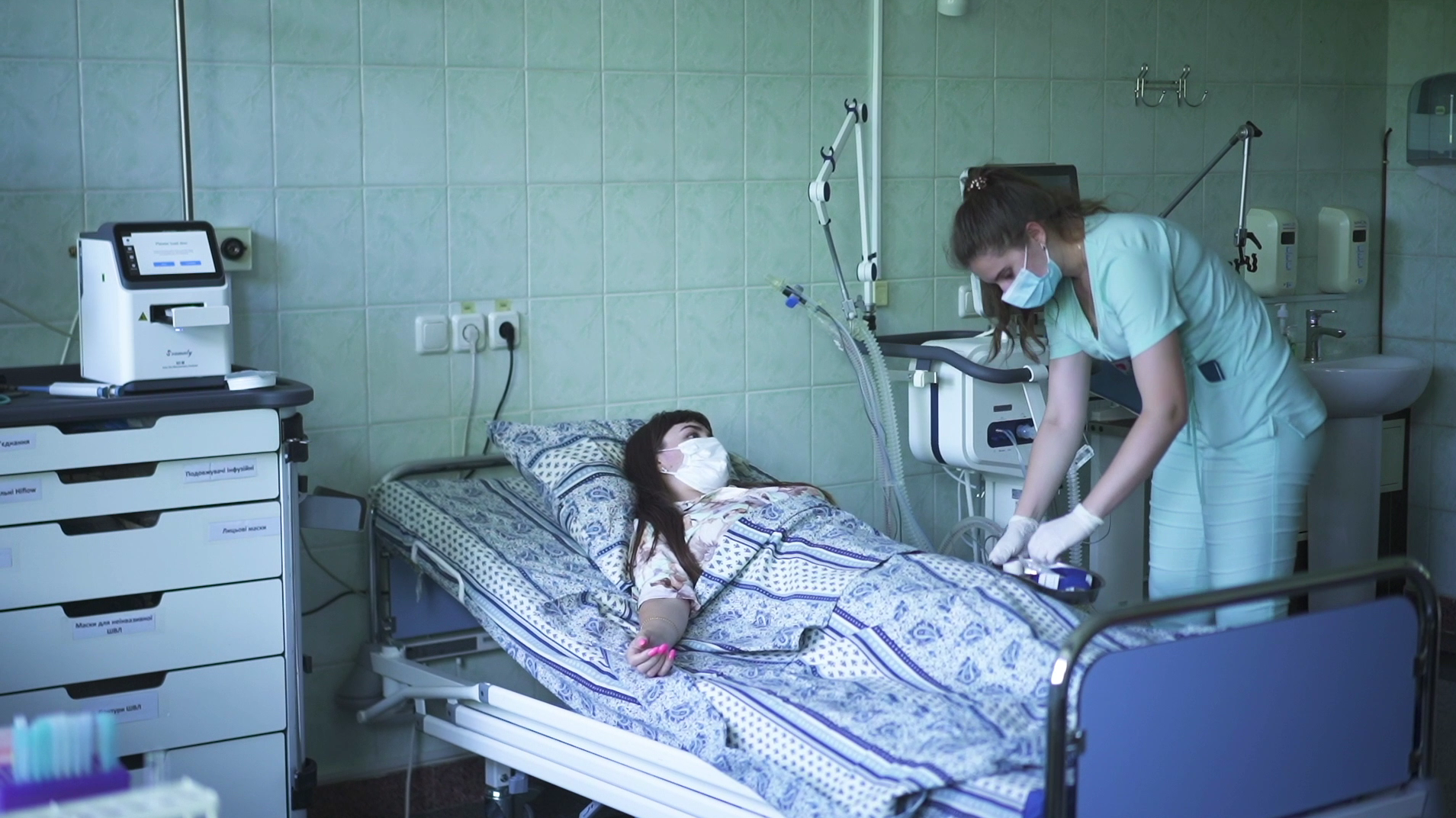
Darüber hinaus kann es Testergebnisse innerhalb von 12 Minuten vom Beginn des Absteckens bis zum Lesen des Berichts erstellen, was um ein Vielfaches schneller ist, als ihn zum Testen an ein Zentrallabor zu senden, und mehr Zeit für die Rettung von Patienten spart.
„Gerade durch die Einführung von SD1 werden nicht nur Behandlungsfehler und die Arbeitsbelastung des medizinischen Personals reduziert, sondern auch die Arbeitseffizienz des Krankenhauses verbessert und die Kundenzufriedenheit gesteigert.
2021-08-09
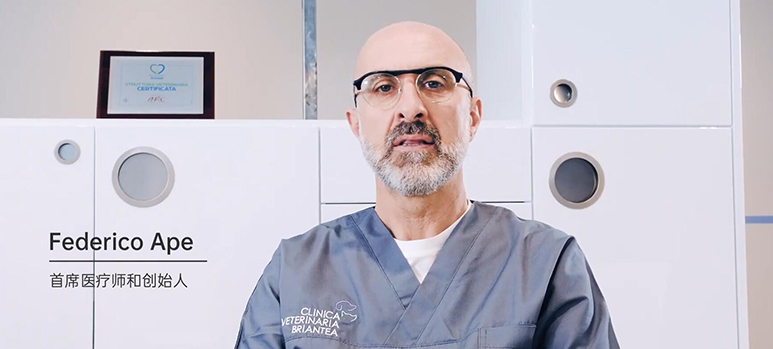
„Wer gute Arbeit leisten will, muss zuerst seine Werkzeuge schärfen.“ Jede Tierklinik, die größer und stärker werden will, kommt nicht ohne fortschrittliche Prüfgeräte aus, also anstatt darüber nachzudenken, wie man Kunden hohe Preise in Rechnung stellt, E
2021-08-04
Während der Epidemie waren die Volkswirtschaften verschiedener Länder in unterschiedlichem Maße betroffen, und die Entwicklung vieler Branchen zeigte einen schleppenden Trend, insbesondere der Dienstleistungssektor, und auch die Haustiermedizin als Zweig d
2021-08-03
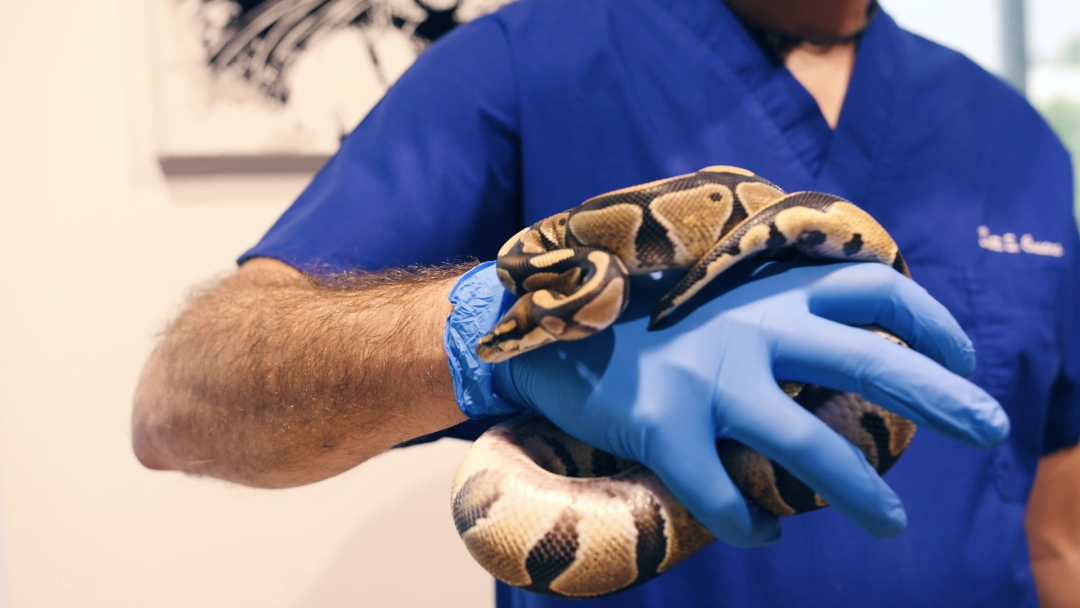
Vor zwei Jahren begann das Gammavet Kleintierpraxis mit der Verwendung von Smart Automatic Veterinary Biochemical Analysis SMT-120 V. Dieses Instrument benötigt nur 0,1 ml Blut, sodass es problemlos mit einigen sehr kleinen Tieren fertig werden kann. Jetzt